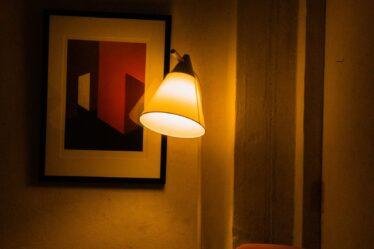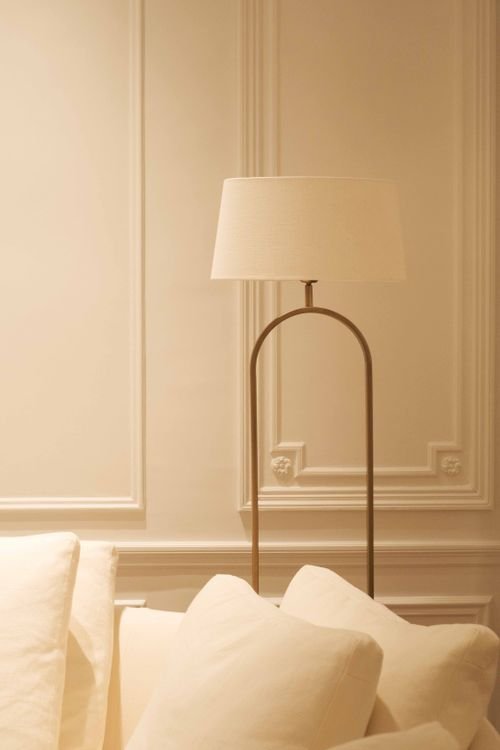
Good living room lighting rarely comes from one bright ceiling light. It comes from a few smaller sources working together, so the room can feel calm in the evening, clear enough to read in, and still bright when friends come over. When you layer light like that, you stop choosing between a room that feels flat and a room that feels dim.
This guide to living room lighting walks through that layering idea in plain terms. You will see how ambient light, task light and accent light each do a different job, where table lamps and floor lamps fit best, and how small choices about shade, placement and bulb warmth can change the whole feel of the room without a renovation.
Table of Contents
Start with Ambient Living Room Lighting
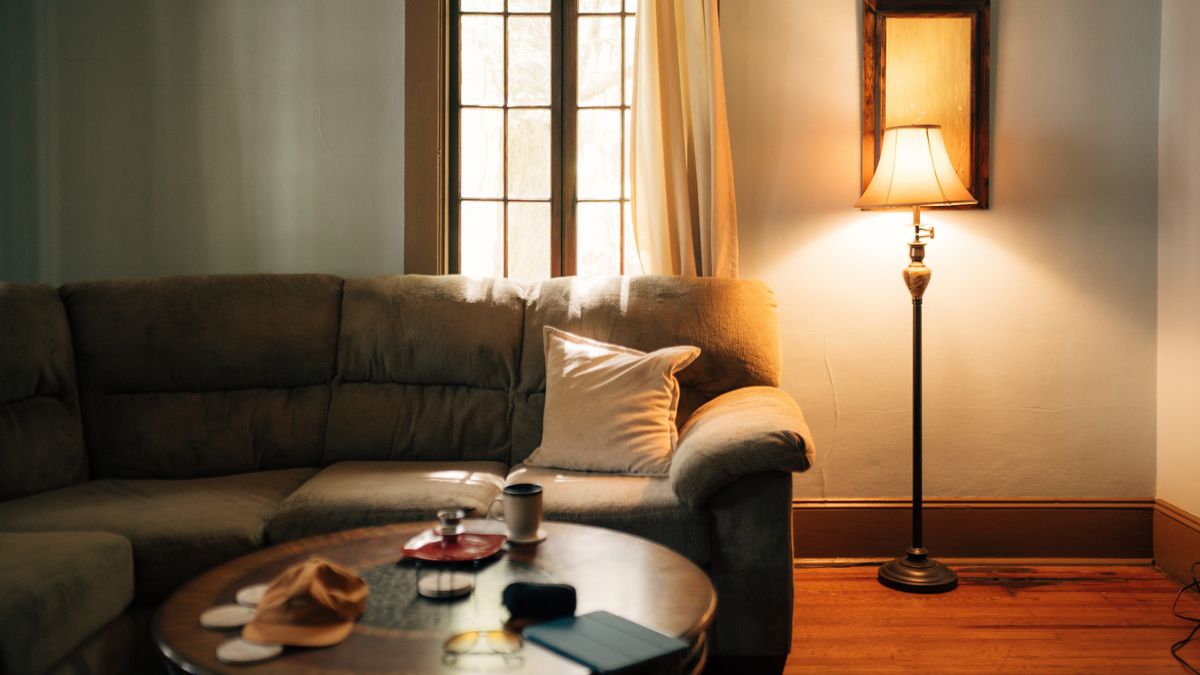
Ambient light is the base layer. It is the general glow that lets you move around safely and see faces clearly, and it usually comes from ceiling lights, a central pendant, or a couple of well-placed floor lamps. The trick is to keep it soft and spread out. One harsh overhead bulb tends to wash out colours, flatten furniture, and leave corners in shadow, which is why so many rooms look fine by day and tired at night.
If your ceiling light is the only source, try adding a second ambient source before you buy anything decorative. A floor lamp with a fabric shade near the sofa, or a pair of lamps on either side of a console, can lift the whole room. Keep the brightness gentle enough that you can look across the room without squinting, and let the lamps you actually sit near do the brighter work. That balance is the heart of good living room lighting: background light that supports the room, not light that takes it over.
Let Table Lamps Do the Close-Up Work

Table lamps are the workhorses of living room lighting. They sit where you actually spend time: beside the sofa, on a side table, or at the end of a console behind a chair. Because they are close to seating, they give you usable light for reading, chatting, or sorting through mail without flooding the whole room. A lamp at roughly shoulder height when you are seated usually works best, because the shade can hide the bulb while the light falls where you need it.
Scale matters more than style here. A tiny lamp on a wide sofa table looks lost, and a very tall lamp can crowd a small side table and feel top-heavy. Check the shade too. A light-coloured fabric shade spreads a warm, even glow, while a dark or metal shade throws light up and down in a narrower pool. If you like a lamp but the light feels patchy, swapping the shade is often cheaper and easier than replacing the whole lamp, and it can change how the corner feels at night.
Give Reading Corners a Proper Floor Lamp

A reading chair without its own light is a chair you will not use much after dark. A floor lamp solves that, but placement is what makes it work. Put the lamp slightly behind and to the side of the chair, on the side of your non-dominant hand if you hold a book, so the light falls over your shoulder onto the page instead of into your eyes. An adjustable arm or a swivel head helps, because you can aim the light without moving the whole lamp every time you sit down.
Arc lamps and tall tripod lamps suit larger rooms, while a slim pharmacy-style lamp fits a tight corner. The trade-off is simple: a bigger lamp gives a wider pool of light but takes up floor space, while a slim lamp disappears visually but may leave the rest of the corner dark. If the corner still feels gloomy, add a small table lamp or a battery picture light on a nearby shelf rather than buying a second floor lamp. Two modest sources usually look better than one very bright one.
Use Accent Light to Pull the Eye Around the Room

Accent lighting is the layer of living room lighting most people skip, and it is often what makes a room feel finished. It draws attention to something you already like: a piece of art, a bookshelf, a plant, or a textured wall. A small picture light, a wall washer, or a lamp aimed at a shelf can create a focal point and stop the eye from landing only on the television. It does not need to be bright. In fact, accent light works best when it is just a little brighter than the wall around it.
Keep accent lights low and close to what they are lighting, and avoid pointing them straight at seating. Light bouncing off a pale wall can be a gentle accent in itself, especially in a room with little natural light. If you have open shelving, a slim LED strip tucked under a shelf can make books and objects readable without a visible fixture. The aim is depth: a few lit spots at different heights, so the room does not read as one flat, evenly lit box.
Choose Warmth, Dimmers, and Shades with Care
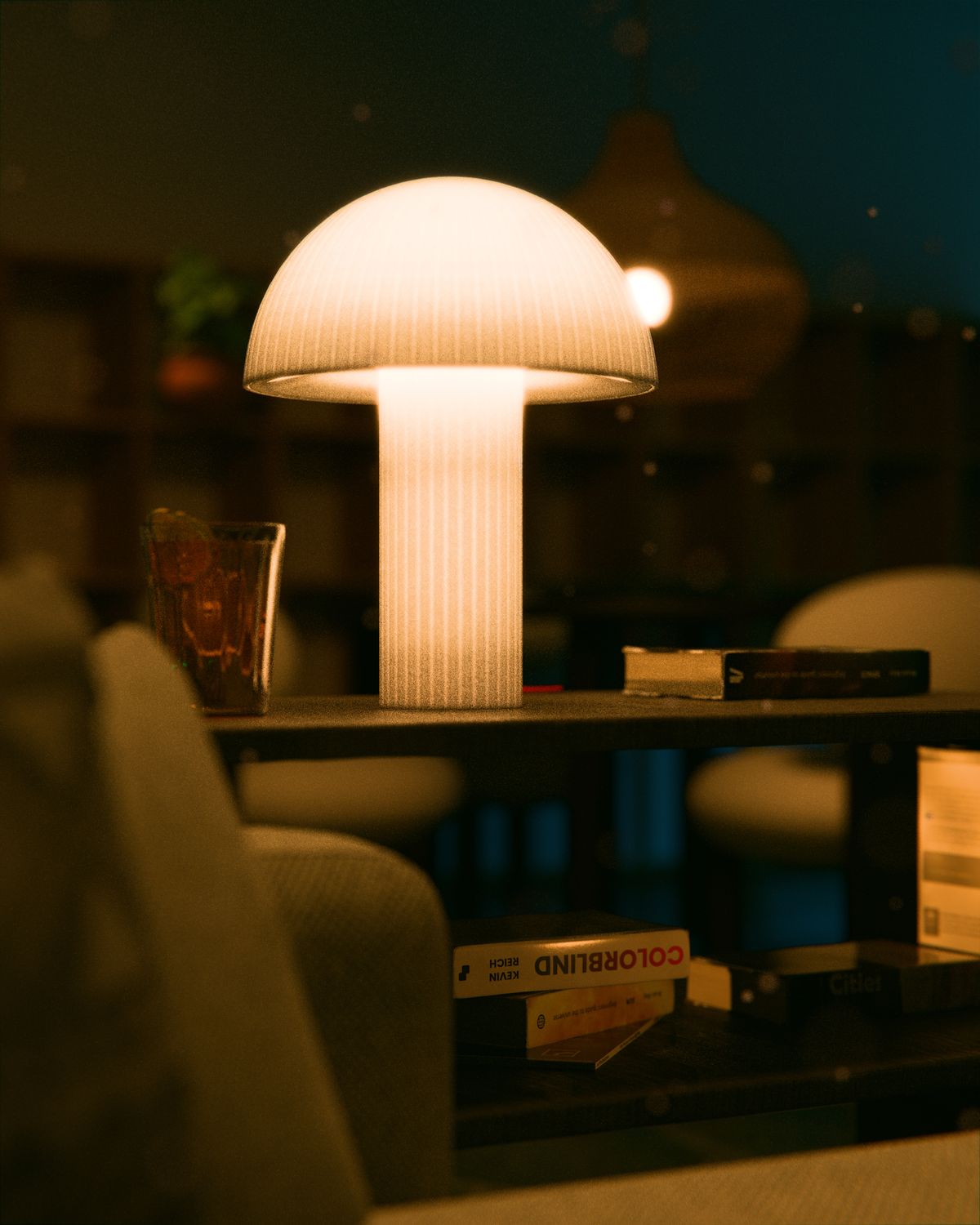
Bulb warmth changes the mood more than most people expect. Warm white light, around the soft end of the range, tends to make wood, fabric, and skin tones look relaxed and welcoming, which suits an evening living room. Cooler, whiter light can feel clean and alert, but in a room meant for winding down it can also feel stark, especially against warm paint or timber. Try to keep the bulbs in one room in the same warmth family, or the mix will feel uneven even if each lamp looks fine on its own.
Dimmers are worth the effort when you can add them, because one room needs different light at different times. A brighter setting suits tidying up or playing a board game, while a lower setting suits a film or a quiet chat. If rewiring is not an option, lamps with three-way switches or smart bulbs that dim from a phone can give you a similar range. Just check that the bulb and the dimmer suit each other, because a mismatched pair can flicker or buzz, and that is a quick way to ruin an otherwise calm room.
Layer Living Room Lighting in a Small Room Without Clutter

Small living rooms do not need fewer layers; they need smaller, better-placed ones. A wall-mounted light or a clip-on shelf light can replace a floor lamp that eats into walking space, and a table lamp on a narrow console can do double duty as ambient and task light. Mirrors and pale walls help too, because they bounce light around instead of absorbing it. The mistake to avoid is adding a lamp to every surface. Three thoughtful sources, at different heights, will usually beat five lamps competing for attention.
Before you buy anything new, try a simple evening check of your living room lighting. Turn on the lights you already have, sit in each seat, and notice where you squint, where you cannot read comfortably, and which corners disappear. Then move one lamp, change one shade, or swap one bulb, and check again the next evening. Living room lighting improves fastest when you test it in the room, at the time you actually use it, rather than judging it under a shop ceiling. For more ideas in this room, see the Living Room ideas on HomeyHabit, and if you want more free images in this style, browse the living room lamp photos on Pexels.