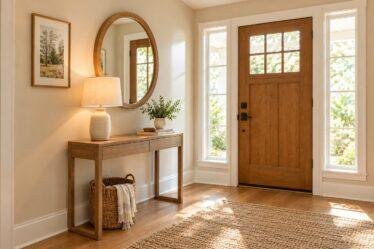
A mudroom should make coming home easier, not harder. Yet in a small home, the entry often becomes a pile of coats, wet boots, and bags that block the door. Mudroom ideas for small homes fail when they copy a large built-in unit into a space that cannot hold it, or when they add storage that no one actually uses.
This guide looks at mudroom ideas gone wrong, and gives eight practical fixes for small spaces. Each section names a common mistake, explains why it happens, and offers a simpler alternative that fits a narrow hall, a small entry, or a single wall by the door. Use the fixes that match your space, and skip the rest.
Table of Contents
1. Mistake: A Bench Too Big to Sit On Comfortably

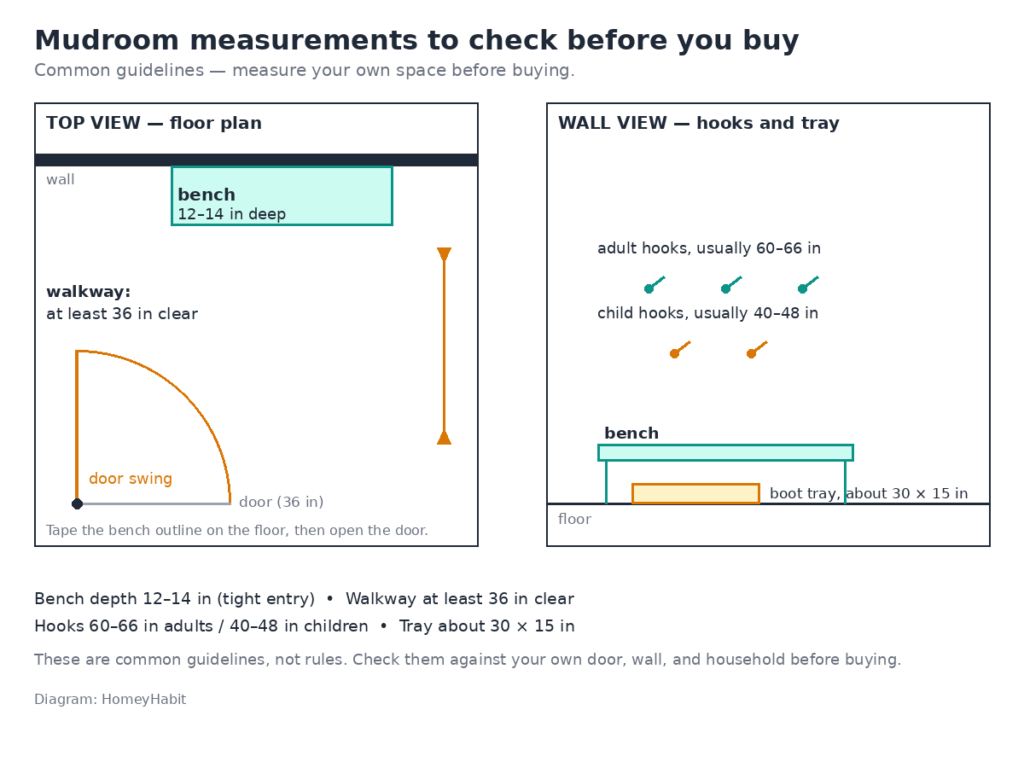
A deep bench looks inviting in a photo, but in a narrow entry it can block the door swing or force you to squeeze past. Measure the clear path first, and choose a bench depth that leaves at least a comfortable walkway. A shallow bench, or a wall-mounted seat that folds up, often works better than a large storage bench that dominates the hall.
Good mudroom ideas start with movement, not furniture. If you cannot sit down, put on shoes, and stand up without hitting a wall, the bench is too big for the space.
2. Mistake: Hooks at One Height for Everyone
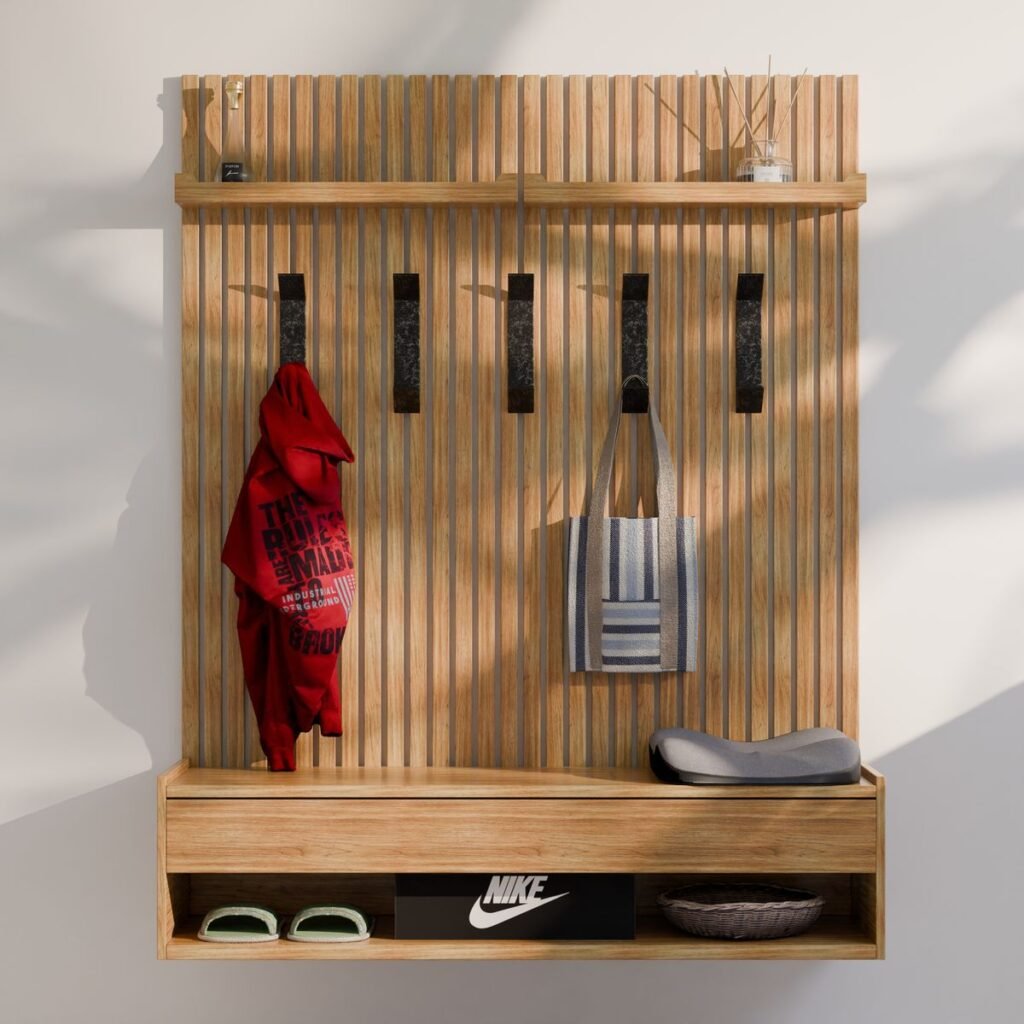
One row of hooks at adult height means children cannot hang their own coats, so coats end up on the floor or on a chair. Add a lower row for children, and keep the upper row for adults. Give each person one or two hooks, not a whole wall, so the row does not become a dumping ground.
Mudroom ideas like this work because they match real users, not an ideal family. Test hook heights with the coats you actually wear in winter, which are heavier and longer than summer jackets.
3. Mistake: No Place for Wet Boots

Boots left on a rug will soak it, and boots left by the door will trip someone. A shallow tray with a lip, or a small boot rack near the door, keeps water contained and shoes visible. The tray must be easy to empty and wipe, or it will become a muddy pool itself. Choose a tray you can carry to a sink, not a heavy built-in that traps dirt.
Among mudroom ideas, a boot tray is one of the cheapest fixes, and one of the most used in winter. Keep only daily boots there, and store out-of-season pairs elsewhere.
4. Mistake: Open Shelving That Collects Dust and Clutter
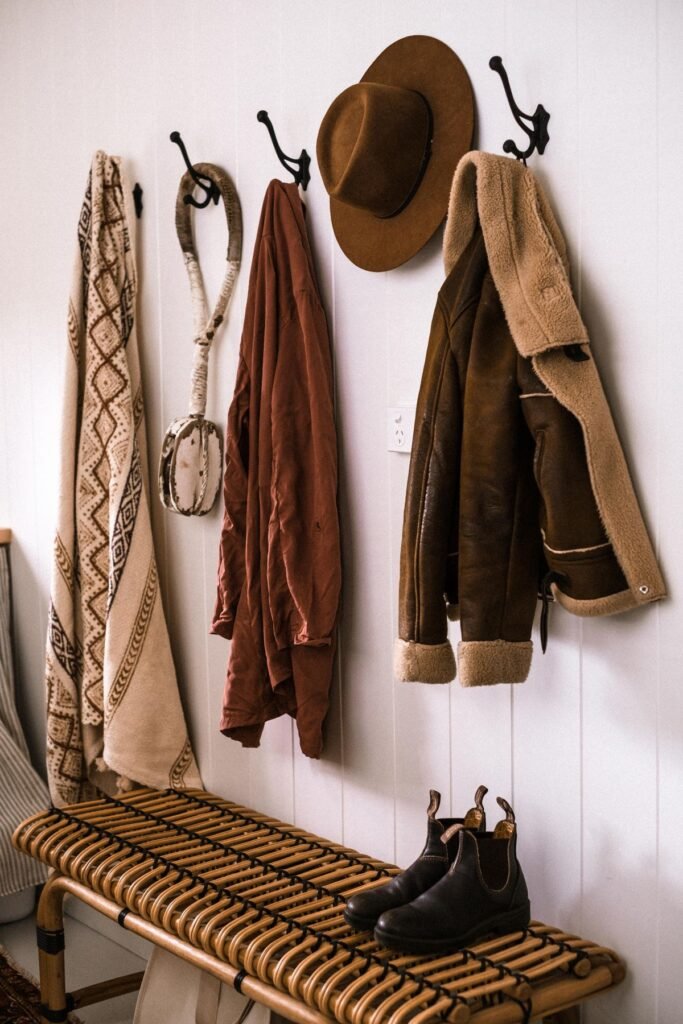
Open shelves look airy, but in an entry they collect dust, and every item is visible. If shelves hold hats, bags, and cleaning supplies, the entry will look busy even when it is organized. Use closed baskets or a small cabinet for items you do not want to see, and keep open shelves for one or two attractive, daily items.
Mudroom ideas that mix open and closed storage tend to last longer, because they hide the messy reality of daily life while keeping essentials within reach. For more entry styling, see these Christmas porch decor ideas and Thanksgiving porch decor ideas for seasonal entry touches.
5. Mistake: One Big Basket for Everything

A single large basket by the door seems simple, until gloves, scarves, dog leads, and school papers all share it. Finding one item means emptying the basket, and putting things back becomes a chore. Use smaller, labeled baskets by person or by type, so each item has a visible home.
Mudroom ideas that use small baskets cost little, and they make a weekly tidy faster. Empty each basket once a month, and remove items that no longer belong in the entry.
6. Mistake: Forgetting a Place to Sit and Put Shoes On
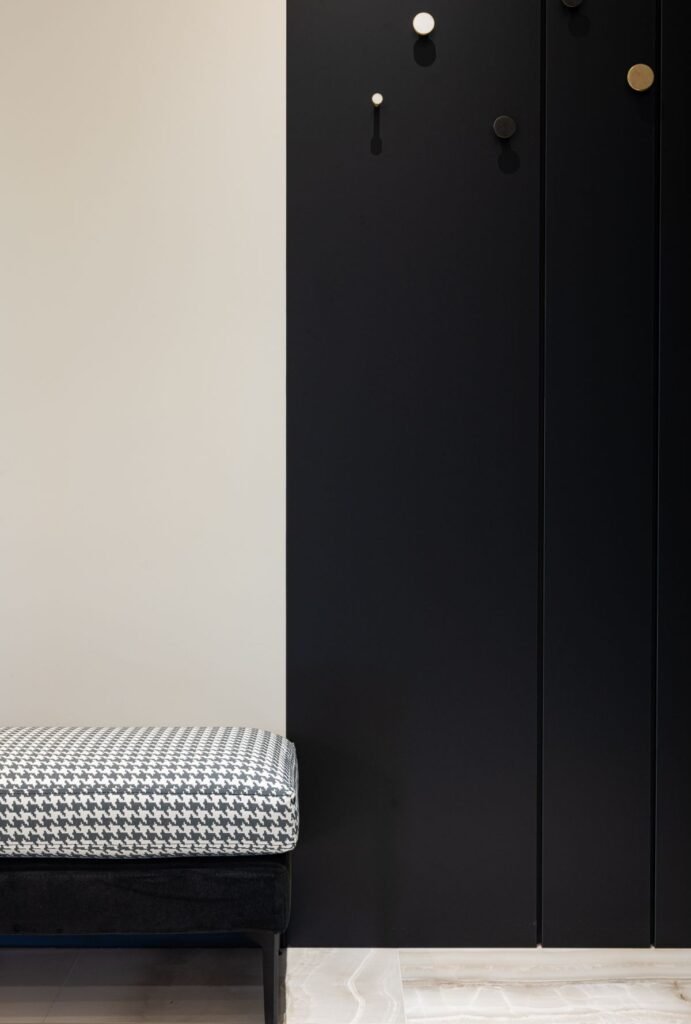
If there is nowhere to sit, shoes get put on standing up, in a rush, and often in the middle of the hall. A small stool, a low bench, or even a sturdy step can change that routine. It does not need storage inside, it just needs to be stable and easy to reach.
These mudroom ideas help in small homes because a stool can move aside when you need floor space, unlike a large built-in bench. For laundry and utility storage, see these laundry room ideas, which use similar small-space rules.
7. Mistake: No Mirror or Light Check Before Leaving

A mudroom without a mirror or good light means you check your coat in a dark hall, or you go back inside to check again. A small mirror at eye height, and a bright, warm light by the door, solve both problems. The mirror also makes a narrow hall feel wider, as long as it reflects a tidy wall, not a pile of bags.
Mudroom ideas that include light and a mirror feel more finished, and they help you leave on time. Keep the mirror clean, because a dusty mirror in a small space stands out quickly.
8. Mistake: Designing for Guests, Not for Daily Life

A mudroom styled for visitors, with empty hooks and a single vase, looks calm in photos, but it fails on a busy morning. Daily life needs hooks that are actually used, a tray that actually holds wet boots, and baskets that actually hold bags. Design for the busiest morning first, then add a decorative touch if space remains.
For small-space organization, these small closet organization ideas and this guide to organizing a small apartment show mudroom ideas that survive daily use, not just a photo shoot.
How to Plan Mudroom Ideas for a Small Home
Start at the door, not at a store. Stand where you come in, put on your heaviest winter coat, and try to sit, hang the coat, and set down a bag without blocking the door. Note where you bump, where bags land, and where water drips. Those three spots are your real mudroom, even if they are only a few feet wide.
Next, assign one home for each daily item: coats on hooks, boots on a tray, bags in a basket, keys in a small dish. If an item has no home, it will live on the floor. Finally, test the layout for a week before you buy built-ins. Photos in this guide are royalty-free from Pexels entryway bench photos, a useful place to compare mudroom ideas for small homes.
Tips for Mudroom Ideas That Stay Useful
- Keep daily items by the door, and seasonal items in a closet or higher shelf.
- Empty the boot tray weekly, and wipe hooks and baskets at the same time.
- Label baskets by person or by type, so guests and children can help tidy.
- Choose a bench or stool you can move, until the layout proves itself.
- Test mudroom ideas for a week before you drill, paint, or buy a built-in unit.
Frequently Asked Questions
Can a small home have a mudroom without a separate room?
Yes. A mudroom can be a wall, a bench, and a tray by the door, not a separate room. Mudroom ideas for small homes work when each item has a home, even if the whole area is only a few feet wide. Focus on hooks, a boot tray, and one basket, before you add anything else.
What is the biggest mudroom mistake in a small space?
The biggest mistake is copying a large built-in unit into a small hall. It blocks movement, costs more, and often holds items you do not use daily. Mudroom ideas that start with movement, then add small, movable storage, usually work better and cost less.
How do I keep a mudroom tidy with children?
Give children hooks at their height, baskets they can reach, and a simple rule: one coat, one pair of boots, one bag by the door. Mudroom ideas fail when children cannot reach their own storage, so test heights with real coats and bags, not with empty hooks.
Conclusion
Mudroom ideas gone wrong usually share one cause: they were designed for a photo, not for a busy morning. Fix movement first, give each daily item a home, and keep storage small, movable, and easy to clean. Try one fix this week, live with it through a rainy day, and then add the next. A small entry can work well, if it is planned for real life.